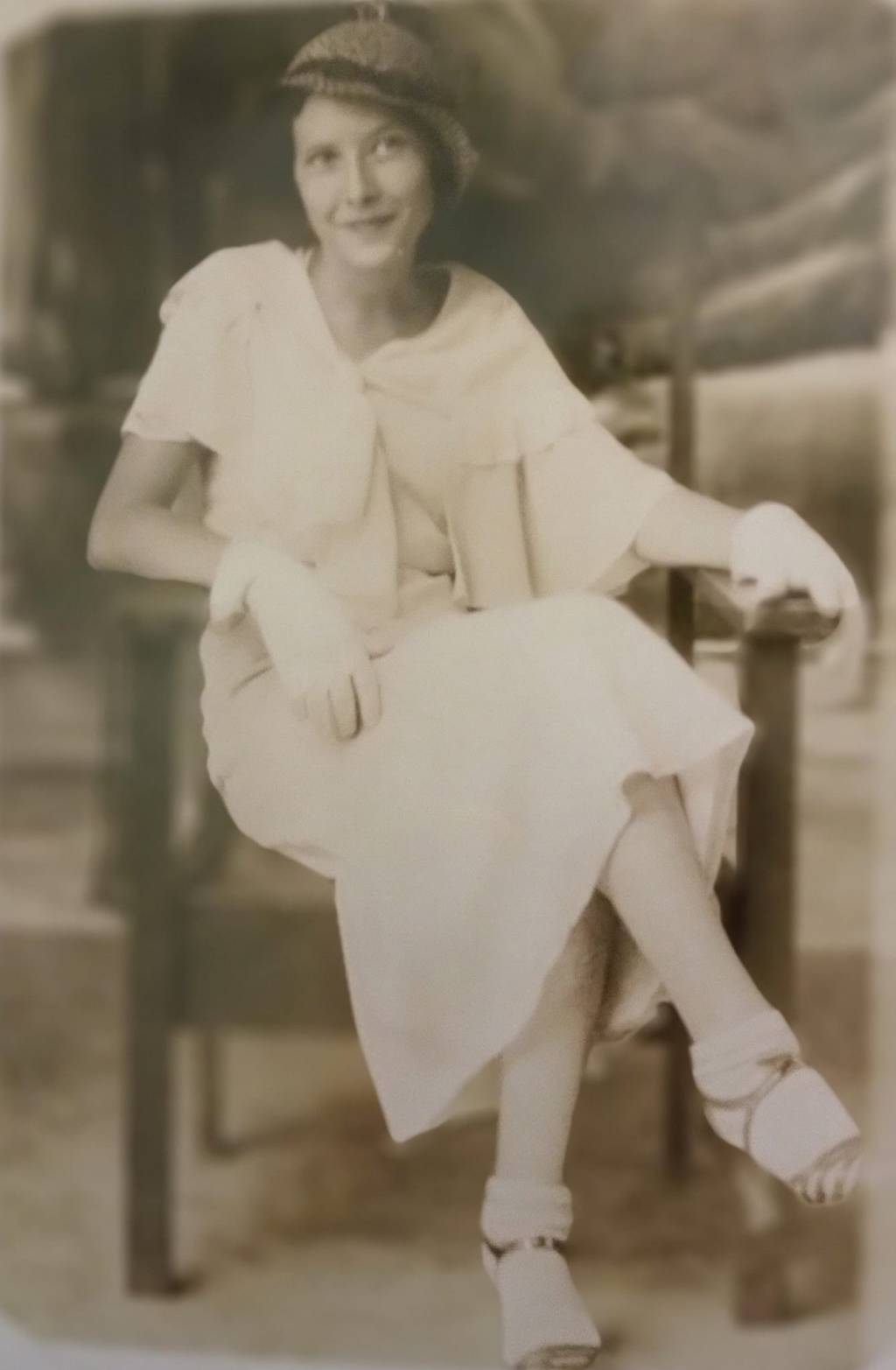
Lila Mae was my maternal grandmother. Often described as a hoot, a character, or in loving Southern terms, “a mess!”. Being called a mess in the South is generally considered a compliment. She loved a good joke and was a great sport should that joke turn out to be on her. She was also quite a storyteller. 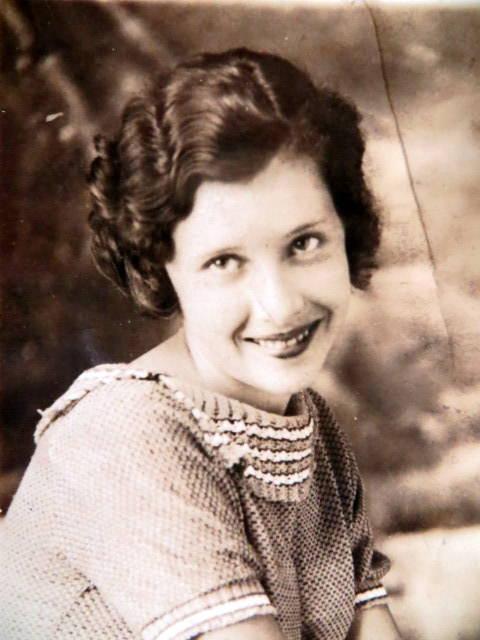
Lila Mae was born in 1918, in LaGrange, Georgia. The oldest of six children, she was pressed into work early in life after her father died when she was just eleven years old, in 1929. As it was the start of the Great Depression, you can imagine how difficult things were for my great-grandmother, Mary Lou Dicey, or “Dice”, as she was known. In order to support her family, my great-grandmother went to work in the local mill, while Lila Mae took care of her five younger siblings. Remember, Lila Mae was only eleven years old at the time.
As the children grew older, most would end up working in the mill as well. In the era before child labor laws were passed in 1938, my grandmother started work in the mill at the age of fourteen (Dice and Lila Mae lied and told the supervisor she was fifteen). I’m told they put a box there for her to stand on so she could properly reach the equipment at her job.
Lila Mae had a difficult childhood, without a doubt. Their family struggled and food was sometimes scarce. The thought of my family members going hungry breaks my heart, but overall they prevailed and were a loving family shaped by hard times and hard work.
She married my grandfather Jesse when she was nineteen, and they took in various sisters and brothers-in-law over the years. Everyone worked at the mill and lived in the mill village, so there was a sense of community there that comes with living in a small town in the South. Or anywhere, for that matter. 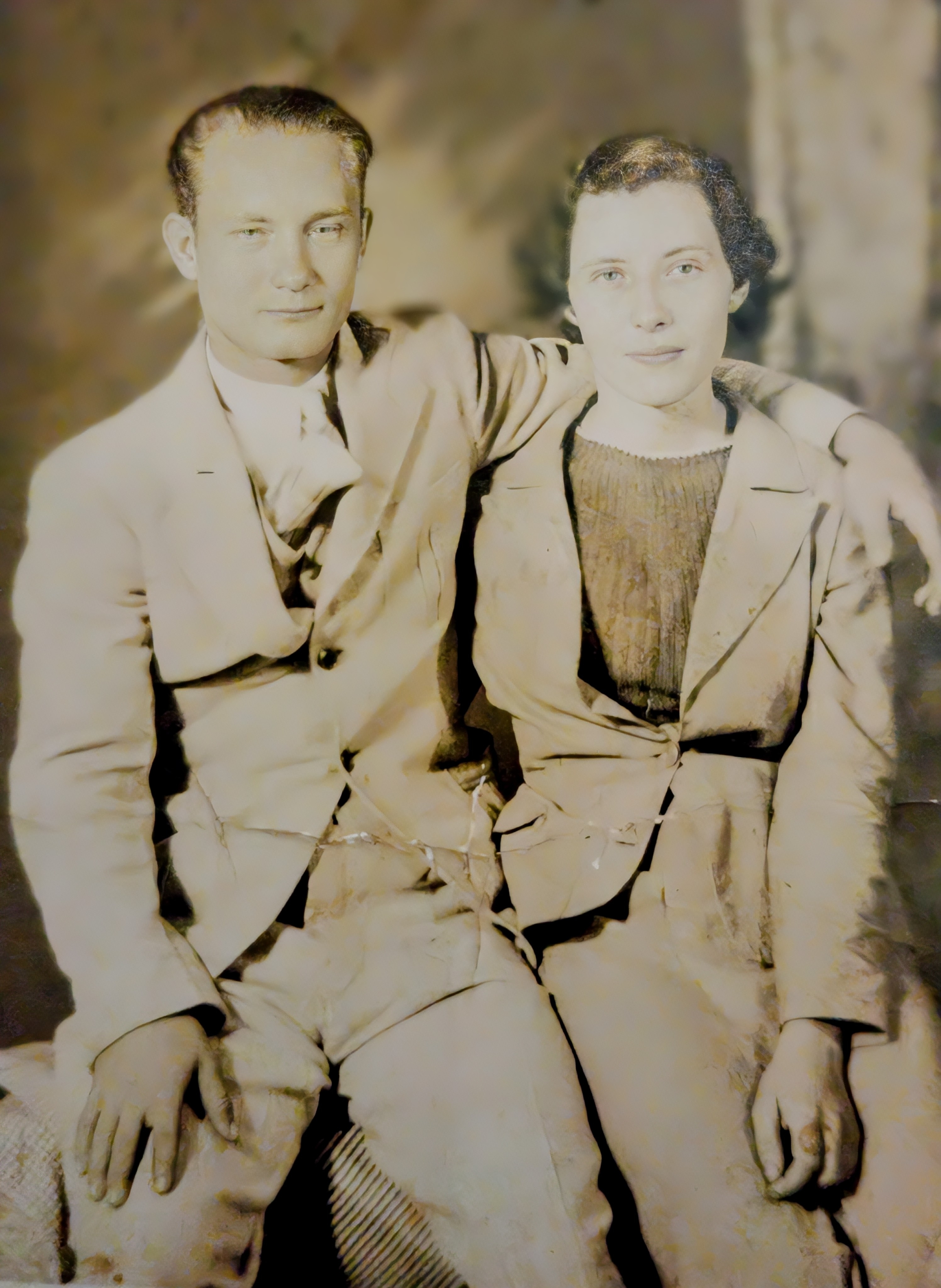
Lila Mae was incredibly soft-hearted, called everyone “Baby”, and would always ask if she could fix you something to eat. She kept my mother (Miss Janice) in the latest fashions of the 1950s by sewing her a new dress by hand each week. She adored my mother and later on, loved her son-in-law and her grandchildren. One of the things I loved about her most was her own capacity to love; she loved everyone, and she let them know. 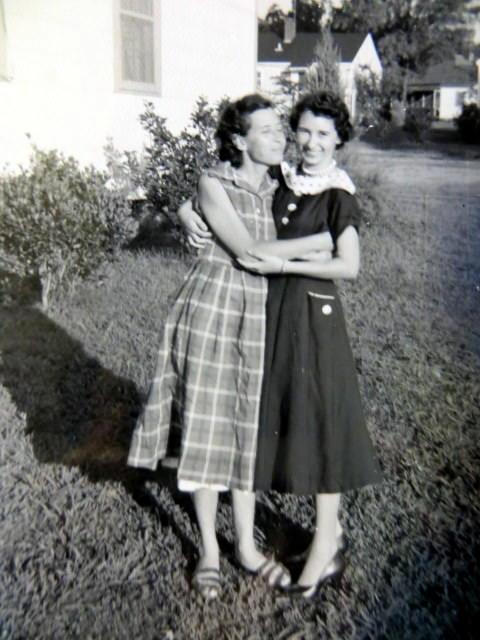
Although Lila Mae was lighthearted most of the time, she had her darker moments in life. For several years, she fought a battle with alcohol that she inevitably won by quitting cold turkey. Lila Mae was stronger than she was given credit for, and she simply endured through everything. Her journey to sobriety and her will to stop inspired me later in my life as I also struggled with substance abuse and depression, eventually earning my own sobriety.
As a testament to the love Lila Mae had for others, she helped me through one of the hardest experiences of my young adulthood. You see, even when I was a child, I’d often feel sad and not understand why. This continued during my teens but was written off as teenage female hormones. Lila Mae called it “having the mullygrubs”. She visited with us for extended periods of time throughout my childhood until she finally lived with my parents. My Papaw Jesse, her husband, had died several years before, so it made sense for her to move to Cleveland.
When I was in my mid-20s, I had one of the worst bouts of depression I’d ever had. This was before antidepressants. Suddenly, one day in May, it was like everything crashed into darkness. I was immobilized by a deep grief and sadness I’d never experienced. I slept and slept, would barely touch food, and wouldn’t read, watch TV, or even listen to music. I just slept. My family was concerned. Lila Mae seemed to know that this was no bout of the mullygrubs; no, this was something different.
During that awful, painful fight with what I called, “The Monster”, Lila Mae sat with me every day. She didn’t talk unless I wanted to, she just sat there in a chair working on her word puzzles and waiting. She’d often ask if she could fix me this or that to eat, if I needed anything, but mostly she just stayed with me. Watching, listening, sometimes coming to the bed to stroke my hair or rub my back a little. She was fully present, but didn’t try to pull or push me out the black hole I was in; she let me work through it in my own time. I always wondered if she struggled with undiagnosed depression of her own, as she seemed to know exactly what I needed at the time.
Finally, after what seemed like both an eternity and also the blink of an eye, she said, “Baby, you’ve got to try and eat something. Your Mama and Daddy are beside themselves worrying”. I sat up and realized I was a little hungry. She made me some eggs and I ate them.
It had been almost eight weeks. The next day, she made my favorite thing–her fried chicken–and a chocolate pie. I ate some more and took a shower. It was lifting. Slowly, I got back up. With my Mamaw Lila Mae’s help (and the rest of my family’s help too), I made it back into regular life.
The main thing I learned from Lila Mae is that you can be vulnerable and still be strong and that the best way to get through hard times is to laugh and keep going. She was a force who could be a lady or curse with the best of them at times, who loved unconditionally, and would give you her last dollar if you needed it. She was, in short, a pretty amazing person, and it always makes me proud when I’m sometimes compared to her.
So that’s my ramble about my grandmother. Depression is real. Jesus loves you, and so does Lila Mae. And if you have or had a Mamaw like Lila Mae, you’re incredibly blessed. One in a million, that Lila Mae.


 Kat's Rambling Mind
Leave Your Two Cents Worth Here